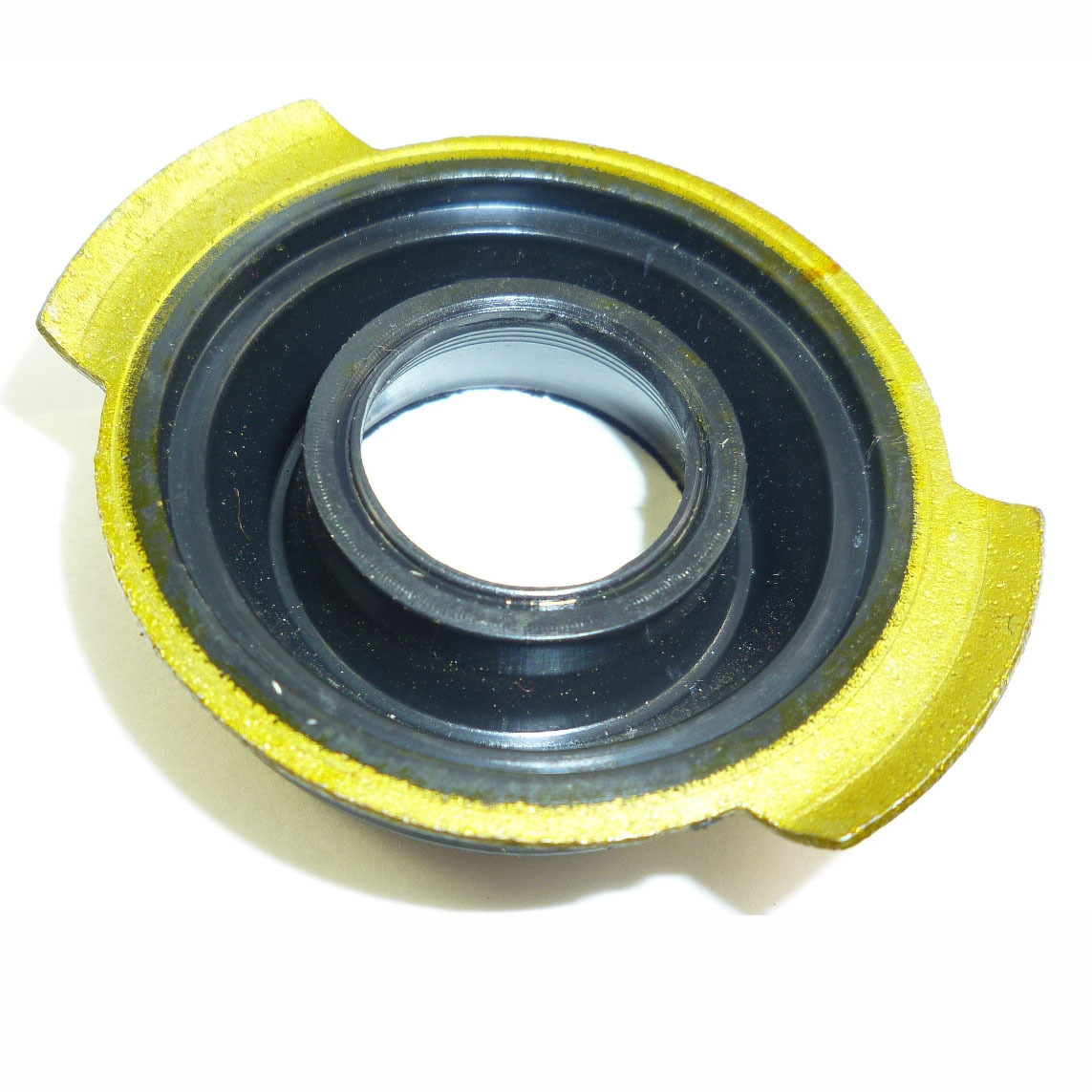
Fluorine rubber oil seals
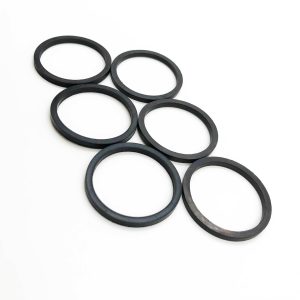
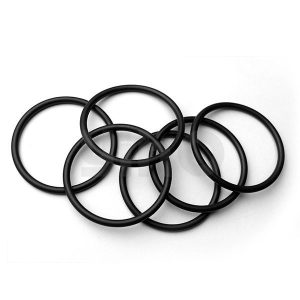
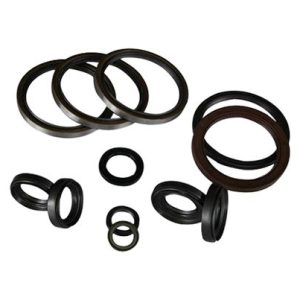
Fluorine rubber oil seals customization,oil sealing elements manufacturer,we can provide customization for the oil seals according to your requirements.
Free shipping on orders over $50!
- Satisfaction Guaranteed
- No Hassle Refunds
- Secure Payments
描述
Oil seals are mechanical sealing components primarily used to prevent leakage of lubricating oils, hydraulic fluids, and other fluids while blocking external contaminants from entering. Their characteristics and applications are as follows:
Key Features
1. Structural Composition
Composed of synthetic rubber (e.g., nitrile rubber), a metal skeleton, and a spring, forming a lip-shaped sealing structure.
The lip tip features a tapered wedge shape that conforms to the shaft surface through elastic deformation to achieve sealing.
2. Sealing Principle
Oil film lubrication: A boundary oil film forms between the lip and shaft, utilizing surface tension and fluid dynamics to prevent leakage.
Spring compensation: The spring provides continuous pressure to compensate for lip wear and shaft vibration.
3. Material Properties
Rubber materials offer oil resistance and temperature tolerance, adapting to diverse operating conditions (e.g., high temperatures, high pressures).
Metal reinforcement enhances structural strength and prevents deformation.
Primary Applications
1. Rotating Shaft Sealing
Widely used in automotive and mechanical equipment for crankshaft cases, gearboxes, bearing housings, etc., to prevent lubricant leakage.
2. Multi-Medium Sealing
Seals not only oils but also water and chemical solutions while blocking dust, sand, and other contaminants.
3. Classification Applications
Single-Lip Oil Seal: Seals fluids only, suitable for clean environments.
Double-lip oil seal: Secondary lip provides dust protection, suitable for dusty environments.
High-speed oil seal: Specifically designed for high-speed shafts to reduce friction loss.
Precautions
1. Apply lubricant during installation. Ensure perpendicular alignment with the shaft to prevent dry friction of the sealing lip.
2. Select appropriate models based on rotational speed and medium type (e.g., nitrile rubber for oil resistance, fluorocarbon rubber for high-temperature resistance).