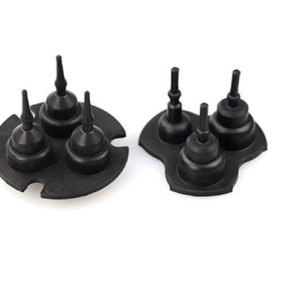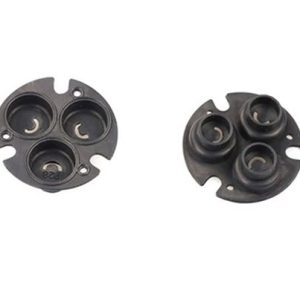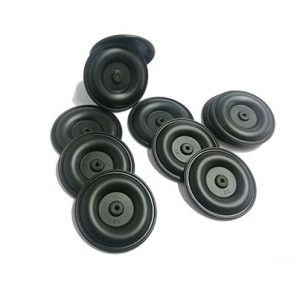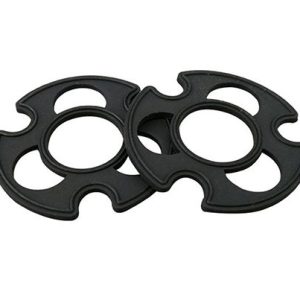
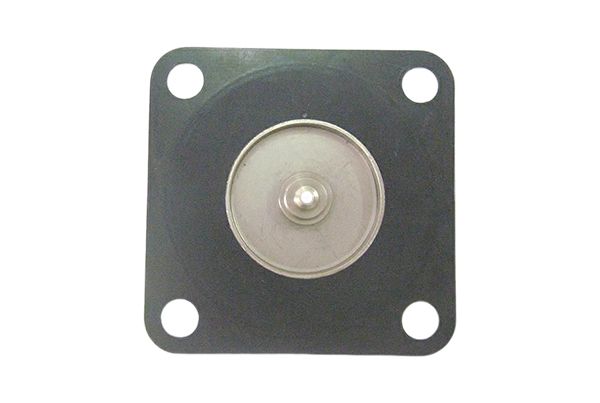
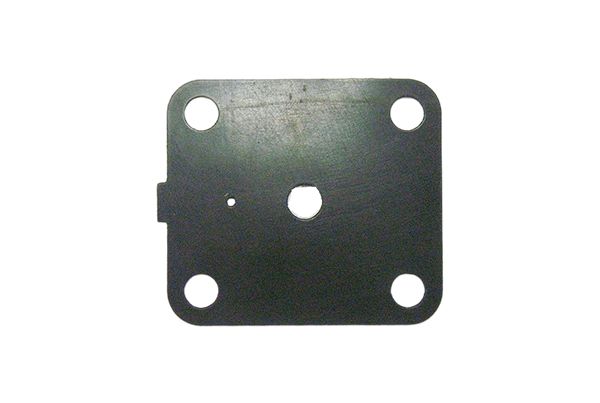
Electromagnetic valve diaphragm
we can provide customized electromagnetic valve diaphragms according to your requirements,if you have special needs for our products.
Free shipping on orders over $50!
- Satisfaction Guaranteed
- No Hassle Refunds
- Secure Payments
描述
The rubber diaphragm of an electromagnetic valve is a core component within the valve, with the following characteristics and functions:
Characteristics:
Diverse materials: Commonly used materials include nitrile rubber (NBR), fluorine rubber, and silicone rubber, which possess properties such as oil resistance, acid resistance, alkali resistance, and high-temperature resistance. For instance, nitrile rubber can withstand temperatures up to 100°C, while fluorine rubber can operate within a temperature range of -80 to 232°C.
Structural design: It adopts a double-sided pressure-bearing design, featuring low magnetic hysteresis and no sticking or sliding effect, ensuring synchronized operation with the control components. Some diaphragms are reinforced with fabric (such as nylon fabric) to enhance tear resistance.
Durability: It has a lifespan of no less than 1 million cycles under working conditions of -20 to 80°C and a pressure differential of 0.8 MPa. Fluorine rubber diaphragms can still operate stably in extreme environments.
Functions:
Sealing and isolation: It serves as a barrier between the interior of the valve body and the external environment, preventing medium leakage and ensuring system safety. For example, in the transportation of toxic fluids in the chemical industry, the isolation provided by the diaphragm reduces the risk of leakage.
Energy conversion: It converts electromagnetic energy into mechanical energy to drive the valve core, controlling the flow of fluids. In pulse valves, the diaphragm responds rapidly (within milliseconds), precisely controlling the blow of compressed air.
Flow regulation: By adjusting the thickness and material properties of the diaphragm, the flow and pressure after the valve opens can be regulated to meet the requirements of different working conditions. For instance, in dust removal systems, the quality of the diaphragm directly affects the dust cleaning effect and the lifespan of the filter bags. Application scenarios
In the industrial sector: Dust removal systems for industries such as steel, cement, and power.
Special fluid transportation: For corrosive liquids in the chemical industry, high-viscosity fluids in the food industry, and sensitive pharmaceutical solutions in the medical field, the diaphragm design ensures leak-free and low-shear transportation.